
The Ford EcoBoost Engine Guide

Known across the industry for pushing the limits of performance and efficiency, Ford vehicles are engineered with class-leading power and fuel economy. A large contributor to this impressive benchmark is the Ford EcoBoost family of turbocharged engines, featuring revolutionary technology that the competition is still trying to emulate. To help provide you with a more thorough understanding of how EcoBoost engines deliver remarkable performance capabilities, our team at Germain Ford of Beavercreek has created this informative guide. You’ll learn all about how EcoBoost engines continue to lead the competition.
How Does EcoBoost Technology Work?
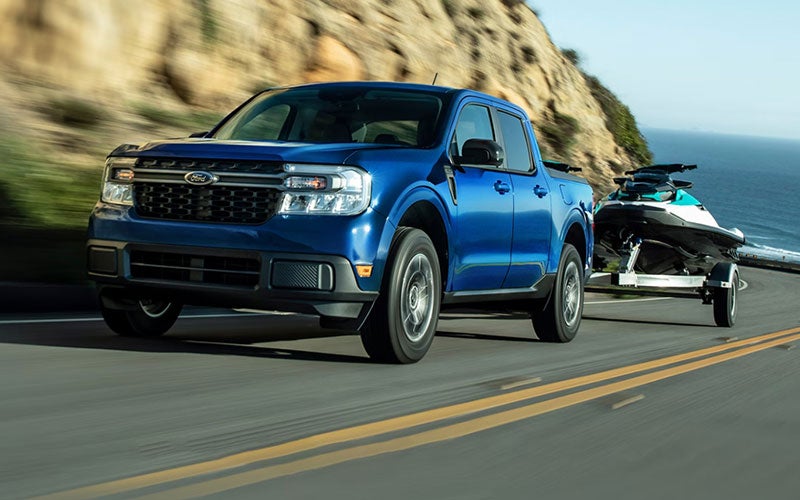
With the ability to punch well above their weight, Ford EcoBoost engines deliver big performance in a compact form factor. This means you’ll enjoy the muscle of a larger engine along with the fuel-sipping efficiency of a smaller motor. There are three key areas responsible for giving EcoBoost engines their remarkable capabilities.

Turbocharged Performance
EcoBoost engines prominently feature turbocharging technology that boosts both responsiveness and efficiency. It works by recapturing energy produced by engine exhaust and using this otherwise wasted energy to rotate a turbine. Paired with a compressor, this inducted air becomes pressurized within the combustion chambers of the engine. The end result is a virtually instantaneous rush of power, noticeably increasing output per liter.
Direct Fuel Injection
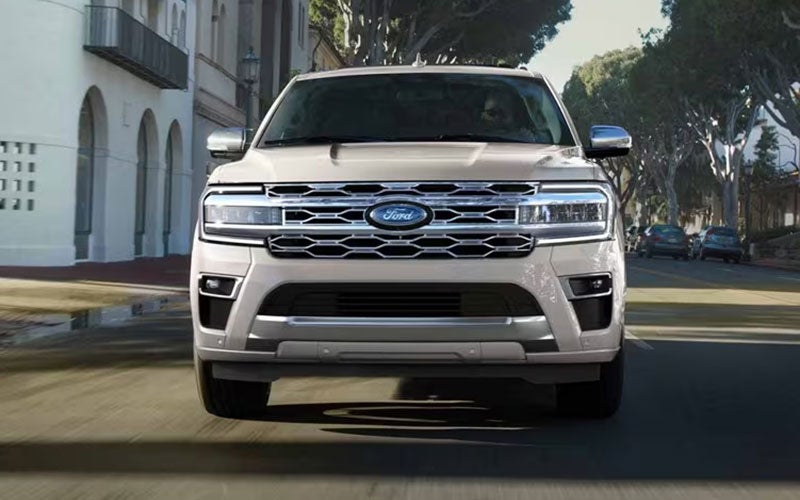
Direct injection works by feeding an incredibly precise amount of fuel directly into the combustion chamber in a fine mist pattern. This method is essential to maximizing power output on-demand without making any compromises on fuel economy.
Twin Independent Variable Camshaft Timing (Ti-VCT)
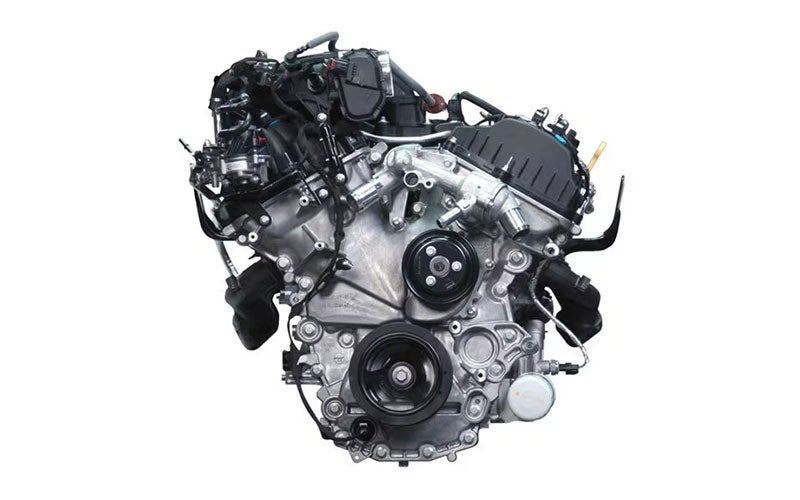
When the engine is running, Ti-VCT can open and close both the intake and exhaust valves with continuous adjustments. When peak power output is required, timing is adjusted to help boost torque and deliver maximum power. This process reduces fuel consumption during lower-load requirements as well, letting you enjoy the best of both worlds.
What Ford Models Have the EcoBoost Engine?
- Maverick - 2.0L EcoBoost (standard)
- Escape - 1.5L EcoBoost (standard) | 2.0L EcoBoost (available)
- Mustang - 2.3L EcoBoost (standard)
- Ranger - 2.3L EcoBoost (standard) | 2.7L EcoBoost (available) | 3.0L EcoBoost (available)
- Bronco Sport - 1.5L EcoBoost (standard) | 2.0L EcoBoost (available)
- Explorer - 2.3L EcoBoost (standard) | 3.0L EcoBoost (available)
- Bronco - 2.3L EcoBoost (standard) | 2.7L EcoBoost (available) | 3.0L EcoBoost (available)
- Expedition - 3.5L EcoBoost (standard) | 3.5L High-Output EcoBoost (available)
- F-150 - 2.7L EcoBoost (standard) | 3.5L EcoBoost (available) | 3.5L High-Output EcoBoost (available

Ford EcoBoost Engine FAQ
Are all EcoBoost engines the same?
While the vast majority of Ford EcoBoost engines use similar technology features like the ones we’ve covered above, there are still plenty of different variants available. These engine options range from mild to wild with sizes that include 1.5L, 2.0L, 2.5L, 2.7L, and 3.5L with varying power outputs. A perfect example is the 3.5L EcoBoost that’s offered in both standard and high-output versions.
What is special about the Ford EcoBoost engine?
Precision engineering and relatively compact size are two key reasons why the EcoBoost engine is far from your ordinary turbocharged engine. These two advantages allow the EcoBoost to be used in a wide range of applications. Economical choices like the 1.5L found on the Bronco Sport and Escape prioritize fuel economy while larger variants like the 3.5L found on the F-150 and Expedition emphasize muscle for things like towing and hauling.
Although every reasonable effort has been made to ensure the accuracy of the information contained on this site, absolute accuracy cannot be guaranteed. This site, and all information and materials appearing on it, are presented to the user "as is" without warranty of any kind, either express or implied. All vehicles are subject to prior sale. Price does not include applicable tax, license, $18 Title, $23 Temp Tag, and a $398 Documentation Fee.
‡Vehicles shown at different locations are not currently in our inventory (Not in Stock) but can be made available to you at our location within a reasonable date from the time of your request, not to exceed one week. Invoice may not reflect dealer's actual cost, invoice available upon request. All vehicle sales are final.